
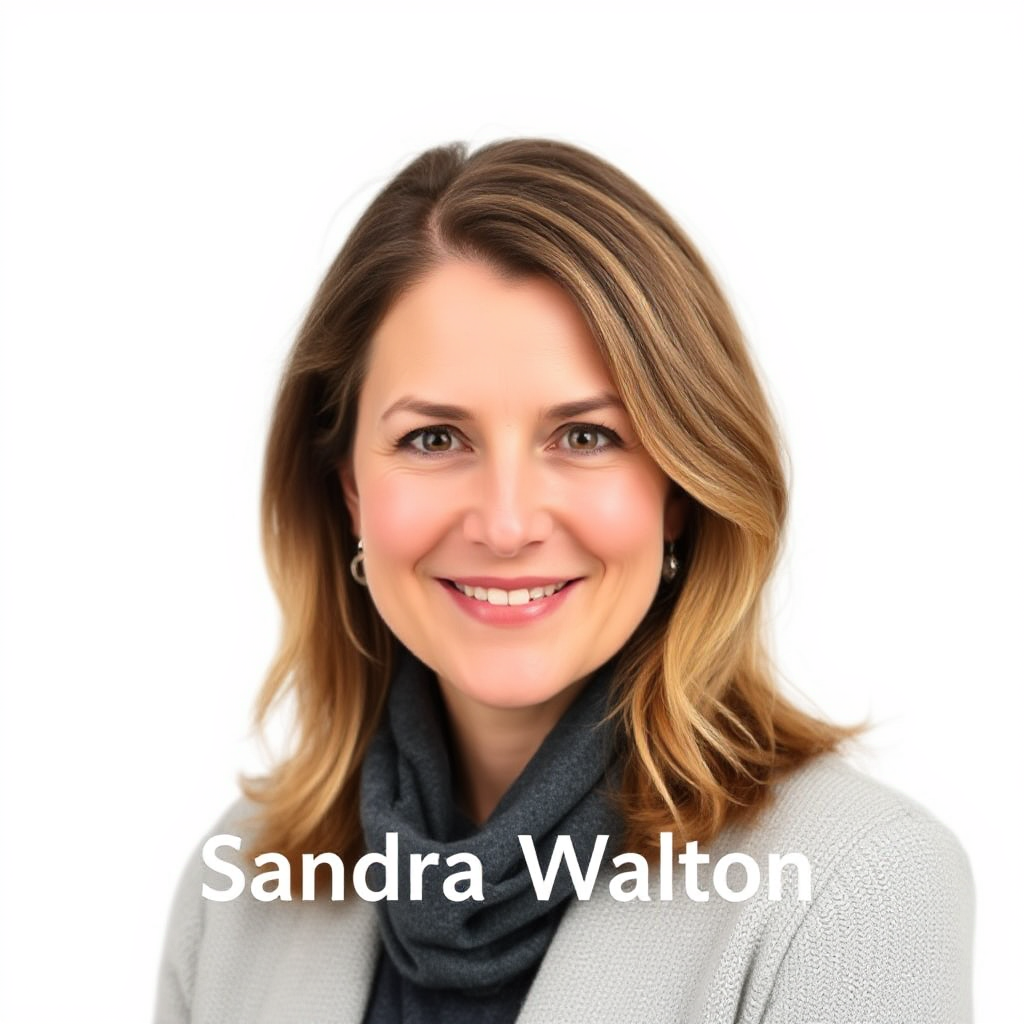
On occasion, healthcare worker Lorna Grinnell-Moore is met with a sudden dial tone. Commonly, she has to listen to some rather bizarre misinformation and, in a particular instance, she recalls being shouted at.
"You will inevitably encounter individuals like those, unwilling to accept information, and it seems as though you haven't succeeded."
However, this is standard for the daily work for Lorna. She's been calling parents whose children have missed out on the measles, mumps, and rubella vaccinations to persuade them to become vaccinated. Suboptimal immunization levels mean the illness has found room to circulate in the city, mostly affecting children younger than ten.
A Proactive Response
Lorna's been here before - she was a member of a group of NHS workers that made 13,000 calls in only a quarter of a year after a spike in measles reports in late 2023 impacted numerous youngsters. These discussions by themselves led close to a thousand once reluctant families and youth to accept the opportunity vaccination.
Across parts of London, which is in the midst of a measles surge, health leaders are studying cities such as Birmingham for approaches to manage the situation. Fifty cases have been confirmed so far this year, mostly in small children, some of whom have been hospitalized.
Mobilizing Experience
In the 2023 Birmingham incident, some retired medical professionals were returned to service, as occurred previously. In this instance, though, as opposed to vaccinating people, they were tasked with convincing people to receive them.
Their mission involved conducting multiple phone attempts to families and people in the under-25 bracket to discuss what was stopping them getting the vaccine against a disease that can have grave complications - including meningitis, blindness and, on rare occasions, death.
Now, Lorna, the clinical lead for immunization services, and a group of nurse specialists have been recruited to bash the phones again as there is another uptick in measles.
A Delicate Communication Task
It's not an easy task. It requires a specific methodology which entails careful hearing and trying to understand the individual on the line.
"Once I get a handle on where they're coming from, I can then respond to their concerns," states Lorna. "Occasionally they are receptive, and often they declare they are finished talking."
"It's not about being the bossy matron."
If people are prepared to carry on talking, Lorna feels she can then address their fears or worries about the vaccine and aid in reducing them.
Guidelines and Assistance
The guideline is a maximum of three contacts. Another is not to leave messages in case they can't be understood. Staff members fluent in a variety of languages, like French, Italian, Arabic, or Urdu, can help with making calls when English is not the caller's native tongue.
In addition to the call initiative, the joint incident management team also runs an information campaign and connects to community organizations.
Clear Outcomes
The comprehensive campaign has had a real impact. Over the course of 2024, thousands of additional immunizations were carried out – and the overall vaccination count was one-fifth more than the year before.
In particular, there had been diminished vaccination acceptance among particular demographic groups, including Roma, east European, South Asian and black ethnic groups.
Communication obstacles were tackled by increasing the material available in multiple languages, utilizing QR code technology connected to video content explaining about the benefits, in conjunction with conventional billboard advertising.
Local Clinics Take Action
Some local GP services have also started doing their own call-and-recall work. One of those is Hall Green Health, which has even taken it a step further by offering GP appointments to parents who are hesitant so they can discuss their concerns directly with a physician.
"I believe we have grown too relaxed about the genuine dangers of measles," explains Dr. Sonia Ashraf.
She explains that multiple multiple factors that make people hesitant. The use of pork-derived gelatine is one thing they see, however, this has a straightforward solution by supplying the type of the jab that is gelatine-free.
Discredited research from the 1990s wrongly connecting the vaccine to autism also is frequently mentioned, while many families are anxious about the number of routine vaccines administered in early childhood. Before turning five, they will have been invited to get immunised six times.
"Some parents question the reason for multiple jabs or feel their offspring can naturally fight off these diseases," notes the doctor. "We carefully explain the scientific data with them – misinformation is widespread out there."
Funding Challenges and Future Outlook
The proactive calling system has since been extended to additional clinics. Yet, owing to financial constraints, it is something that can only be done in a constrained manner. Recently, immunization rates declined again to earlier, lower levels, leaving the city still well below the 95 percent target needed for population-wide resistance.
Even with periodic rises in infection, there has been nowhere near the scale of cases that were seen previously, when diagnoses surpassed five hundred.
A public health lead, says the proactive calling strategy "is really effective" but "not a perfect solution" and needs to be paired with additional measures. Optimally, he explains it would be employed more widely but additional funding is required.
Current funding for the calling system is scheduled until the conclusion of the current fiscal period.
A National Picture
This strategy isn't unique to adopt the strategy. A number of other places have undertaken analogous programs.
However, improving rates countrywide has been challenging. Currently, less than eighty-five percent of children have had two doses by the age of five.
"It poses a significant problem," says an expert. "The factors behind non-vaccination are multifaceted and varied. A point commonly missed is practical availability. For


